Cheering Smarter: Why L Valley Soccer Parents Hold the Key to Keeping Kids in the Game

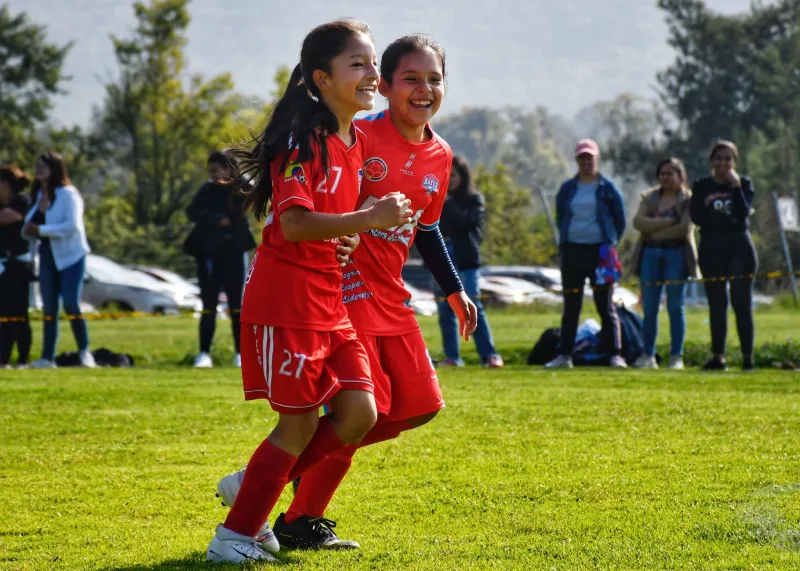
Photo: parents cheering youth soccer game on sideline, via img.freepik.com
Let me paint a picture you might recognize.
It's a Saturday morning at one of our valley fields. The grass is still damp, the coffee is hot, and somewhere around the 20-minute mark of a U10 match, a parent on the sideline starts coaching. Not their own kid — everyone's kid. Calling out positioning, second-guessing substitutions, groaning audibly at missed shots. By halftime, their daughter has glanced over at them four times. Not to share a smile. To check the temperature.
This isn't a story about bad parents. It's a story about well-meaning parents in an environment that nobody taught them how to navigate. And it's a conversation L Valley Soccer thinks is worth having out loud.
The Burnout Problem Is Closer Than We'd Like to Admit
According to the Aspen Institute's Project Play initiative, roughly 70 percent of American kids quit organized sports by age 13. The top reasons cited? It stopped being fun. Too much pressure. They felt like they were playing for someone else.
That last one stings a little, doesn't it?
Dr. Jessica Mora, a sports psychologist who works with adolescent athletes in the Pacific Northwest, has seen the pattern play out hundreds of times. "The research is consistent," she says. "Kids who experience what we call 'ego-involving' environments — where their value feels tied to performance outcomes rather than effort and enjoyment — are significantly more likely to disengage from sport. And a lot of that environment is created on the sidelines, not on the field."
For L Valley families, this hits close to home. Our community is deeply invested in soccer — which is exactly what makes this conversation important. Investment is wonderful. The question is what form it takes.
What Coaches Are Actually Seeing
Coaches at all levels of the L Valley program will tell you the same thing, usually with a tired smile: the hardest part of their job isn't tactics or fitness or even player development. It's managing the parent dynamic.
"I've had kids play brilliantly in practice all week and then freeze up in a game," says longtime L Valley coach Roberto Sánchez. "When I ask them about it, it always comes back to the same thing — they're scared to make a mistake in front of their parents. Not because their parents are yelling. Just because they can feel the expectation."
That invisible pressure — the weight of perceived parental judgment — is one of the most powerful psychological forces in youth sport. Kids are hardwired to seek approval from their parents. When the sideline becomes a source of anxiety rather than comfort, it changes the entire emotional landscape of competition.
The fix, coaches say, isn't about parents caring less. It's about expressing that care differently.
The Six-Second Rule and Other Small Shifts That Make a Big Difference
Sports psychologists and youth development experts have been advocating for something deceptively simple: the 24-hour rule and its smaller cousin, the six-second pause.
The 24-hour rule is familiar to many sports parents by now — don't process a game with your child until at least 24 hours after it ends. Give the emotions time to settle. Let the kid lead the conversation when it does happen.
The six-second rule is newer and perhaps more immediately practical: before you call out anything from the sideline, pause for six seconds. Ask yourself whether what you're about to say is for your child's benefit or your own emotional release. More often than we'd like to admit, it's the latter.
Dr. Mora adds another reframe that she finds particularly effective with parents: "I ask them to think about what they want their child to remember about playing soccer at age 30. Not the trophies. Not the goals. The feeling. And then I ask them what kind of sideline creates that feeling."
What L Valley Parents Are Getting Right
Here's the thing — and this matters — L Valley has a lot of parents doing this really well. The community culture around our fields, at its best, is genuinely special. Parents who cheer effort over outcome. Families who clap for the opposing team's good play. Moms and dads who make the car ride home about stopping for ice cream rather than dissecting every decision their kid made in the second half.
Parent volunteer Maria Chen, whose daughter has played in the L Valley girls program for four years, describes what shifted for her family: "I used to come to games with this energy like I needed to help coach from the sideline. I thought I was being supportive. My daughter finally told me, 'Mom, I play better when I can't hear you.' That was hard to hear. But it changed everything."
Now, Chen says, she cheers — genuinely, enthusiastically — and saves every question and comment for later. "She plays so freely now. I think I was the thing standing between her and that."
Building a Healthier Sideline Culture Together
This isn't about shaming parents. It's about inviting them into a different role — one that's actually more powerful than the one many of them are currently playing.
The research on youth athlete motivation is clear: kids who feel autonomy, competence, and connection to others stay in sport longer, perform better, and carry lifelong positive associations with physical activity. Parents who support those three needs — by giving kids space to own their experience, celebrating growth over results, and being a warm presence rather than a performance evaluator — are doing something profoundly valuable.
L Valley Soccer exists because this community believes in what soccer can give kids. Not just fitness or trophies or college prospects. The real stuff: resilience, friendship, the ability to fail and get back up, the joy of being part of something bigger than yourself.
Every parent on every sideline in this valley has the ability to protect that. It just takes a little intention — and maybe a six-second pause.