Eat Like a Local: The Youth Soccer Nutrition Playbook Built for L Valley's Climate

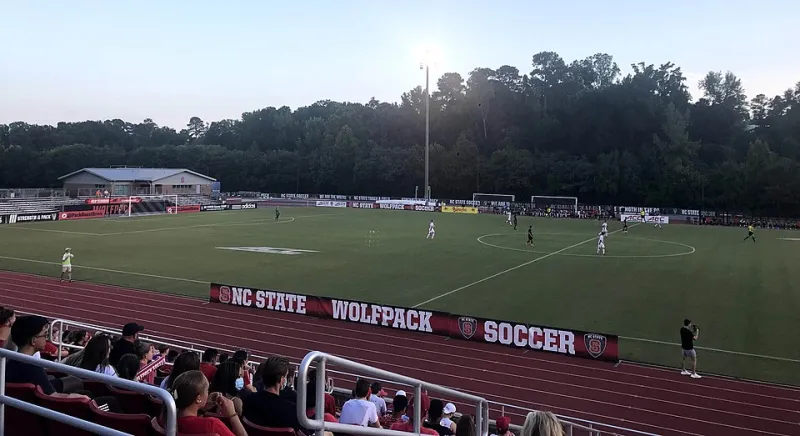
Photo: Grey Gibbs, CC BY-SA 2.0, via Wikimedia Commons
Every parent of a youth soccer player has been there: your kid comes off the field dragging, cramping, or just flat-out running on empty by the second half. You handed them a water bottle and a granola bar before the game — what more could you do?
As it turns out, quite a bit. And when you factor in the specific conditions of playing soccer in L Valley — the elevation, the seasonal temperature swings, the back-to-back tournament weekends — the nutrition picture gets even more specific. We talked to registered sports dietitians and coaches from our local program to put together five practical strategies that actually work for the kids playing in this valley.
1. Hydration Starts the Night Before — Especially at Elevation
This one surprises a lot of parents. Hydration on game day isn't about chugging water in the parking lot before kickoff. At L Valley's moderate elevation, the air is drier and the body loses moisture faster through respiration — even when it doesn't feel hot outside.
"Kids are already behind the eight ball if they're not drinking consistently the day before a game," says registered dietitian Samantha Torres, who consults with several youth sports programs in the region. "At altitude, you lose more fluid just breathing. Add running around for 60 to 80 minutes and you've got a recipe for early fatigue that has nothing to do with fitness."
The target for young athletes? A consistent intake of water throughout the day prior to competition, with an additional 12 to 16 ounces in the two hours before kickoff. During the game, small sips every 15 to 20 minutes beat large gulps at halftime every time. And for games lasting over an hour, a low-sugar electrolyte drink can help replace sodium and potassium lost through sweat.
2. Carbohydrates Are the Real MVP — Time Them Right
Fat-free, low-carb, keto — whatever diet trend is circulating among adults has no business being applied to a ten-year-old burning through glycogen on a soccer field. For youth players, carbohydrates are the primary fuel source for high-intensity effort, full stop.
The key is timing. A solid pre-game meal rich in complex carbohydrates should happen two to three hours before kickoff. Think oatmeal with fruit, whole wheat pasta with a light sauce, or a rice bowl with lean protein. The goal is to top off glycogen stores without putting a heavy, undigested meal in a player's stomach when they're trying to sprint.
For early-morning games — a staple of L Valley's tournament schedule — that timeline gets compressed. Coach Angela Reyes, who runs our U12 girls program, recommends what she calls "the backup plan": a lighter, easily digestible option like a banana with peanut butter or a whole grain waffle with honey about 60 to 90 minutes before play. "We have 8 a.m. kickoffs at tournaments where families are driving an hour to get there. You can't always do a full sit-down meal. Simple carbs and a little protein go a long way."
3. Seasonal Eating Matters More Than You Think
L Valley's climate shifts meaningfully across a soccer season. Fall ball brings warm afternoons and dry conditions. Spring season starts cool and wet, then heats up. Summer camps and tournaments can mean real heat stress on days when the valley holds warmth longer than the surrounding hillsides.
In hot, dry conditions, sweat rates go up and sodium losses increase. This is when electrolyte replacement becomes non-negotiable for players doing multiple sessions in a day. Watermelon, cucumbers, and oranges — nature's hydration boosters — make excellent halftime snacks during summer play and are far more effective than many commercial sports drinks loaded with sugar.
In cold, wet spring conditions, the nutritional focus shifts slightly. Players may underestimate how much energy they're burning because they don't feel as hot or sweaty. Warm, starchy foods before early-season games — a bowl of oatmeal, a sweet potato, even a cup of soup a few hours out — help maintain core temperature and energy availability.
4. Recovery Nutrition Is the Meal Most Families Skip
The 30 to 60 minutes after a game or hard training session is what sports scientists call the "anabolic window" — the period when muscles are primed to absorb protein and carbohydrates for repair and glycogen replenishment. Most youth players celebrate the end of a game with a juice box and call it done.
Torres recommends a simple recovery formula: a 3-to-1 ratio of carbohydrates to protein within that post-exercise window. In real-food terms, that's chocolate milk (genuinely one of the most research-backed recovery drinks for young athletes), a turkey sandwich on whole grain bread, or Greek yogurt with fruit and granola.
"Recovery nutrition is where I see the biggest gap with youth athletes," Torres notes. "They eat well before games, they're okay during, and then they get home at 7 p.m. and eat whatever's quick. The next morning at practice, they're exhausted and their parents think they're just not sleeping enough."
5. Keep It Real — And Keep It Consistent
The best nutrition plan is the one a family can actually stick to. Sports dietitians are unanimous on this: consistency beats perfection. A kid who eats reasonably well every day will outperform a kid who eats perfectly the night before a game and nothing substantial the rest of the week.
For L Valley families juggling school, practices, work, and weekend tournaments, that means building simple, repeatable habits. A stocked fruit bowl. A go-to pre-game pasta night on Fridays. A cooler in the car with real food for tournament days instead of a pit stop at a fast food drive-through between games.
The valley asks a lot of its young players. Good nutrition is simply giving them the best chance to answer the call.