Built Different: What Playing Soccer in the Valley Actually Does to Young Athletes' Bodies
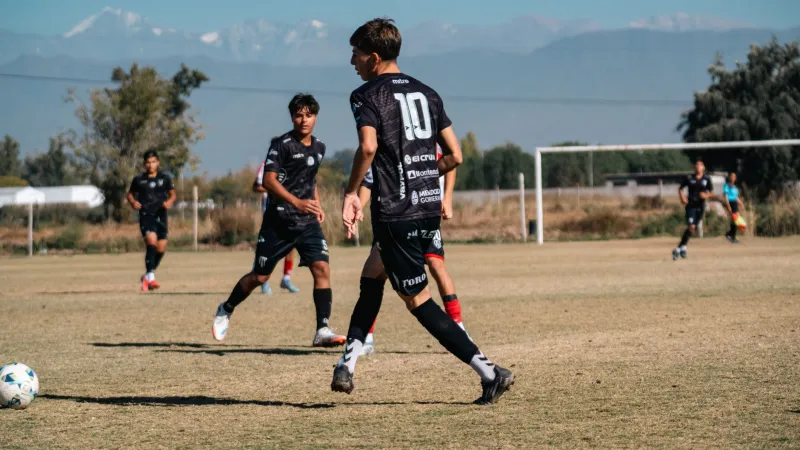
Ask any coach who's brought an outside team into L Valley for a tournament and they'll tell you the same thing: by the second half, the visitors are dragging. Meanwhile, the local kids look like they could run another ninety minutes without blinking. That's not just home-field confidence. There's actual science behind it.
L Valley's geography isn't a backdrop — it's a training partner. And the more sports scientists and coaches dig into it, the more it becomes clear that growing up playing soccer here does something measurable to young athletes' bodies.
What Altitude Actually Does (and Why It Matters for Soccer)
You don't have to be playing at Peruvian heights for elevation to make a difference. Even modest altitude — the kind L Valley sits at — reduces the amount of oxygen available in the air. Your lungs have to work harder. Your heart pumps more efficiently. Over time, your body adapts by producing more red blood cells, which means better oxygen delivery to working muscles.
For soccer players, that's a big deal. The sport demands repeated sprints, quick recoveries, and sustained aerobic output over long stretches. Players who train regularly at elevation develop what researchers call improved VO2 max — basically, the ceiling of how hard your cardiovascular system can work. When those same players compete at lower elevations, their bodies are operating with a relative surplus of oxygen.
"Kids who grow up training here don't even realize it's happening," says one L Valley youth coach who's worked with players across multiple age groups. "But when we go play in flatter areas, our players just don't seem to hit the same wall other teams do."
Uneven Ground Is Actually Good Training
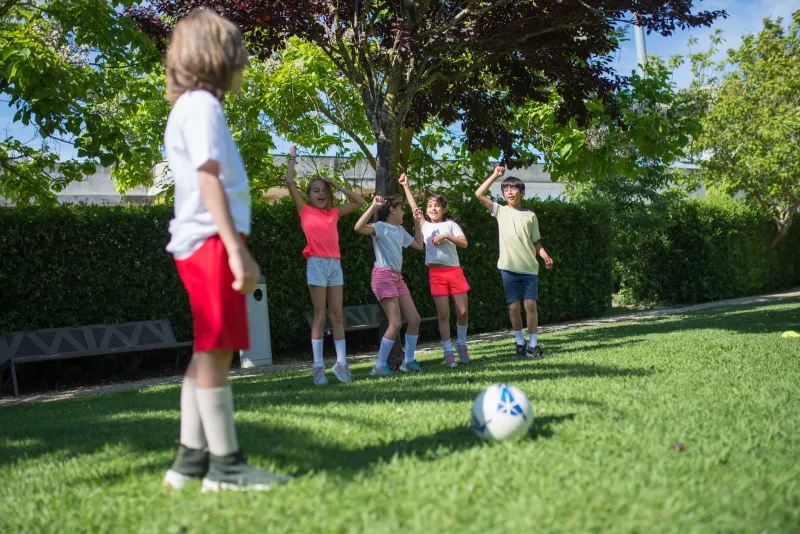
Flat, perfectly manicured turf is great for showcasing skill. But it doesn't teach your ankles anything. L Valley's fields — especially the natural grass ones — come with subtle slopes, firm patches, soft corners, and the occasional divot that keeps everyone honest. That variability, it turns out, is a form of resistance training that most urban youth players never get.
Playing on uneven terrain forces constant micro-adjustments in balance and foot placement. The muscles around the ankle, knee, and hip work overtime to stabilize the body. Biomechanically, this builds proprioception — your body's ability to sense its own position in space — at a rate that flat-surface training simply doesn't replicate.
Sports performance trainer Marco Delgado, who works with several L Valley youth clubs, puts it plainly: "I've had high school players come in from out of the area who are technically solid but fall apart the moment the field isn't perfect. Our valley kids are just more adaptable. They've been reading the ground since they were eight."
Weather That Trains the Mind as Much as the Body
L Valley doesn't exactly have a one-season climate. Spring games can start in sunshine and end in a cold drizzle. Summer tournaments push heat tolerance. Fall ball brings wind. And none of it gets practice canceled.
That exposure builds something harder to measure but just as real: mental toughness and environmental adaptability. Players learn early that conditions don't pause the game. They adjust. They communicate differently in wind. They change their touch when the ball gets heavy with moisture. They manage their energy output on hot afternoons without anyone telling them to.
"There's a resilience that comes from just playing through it," notes one longtime L Valley club director. "These kids aren't coddled by perfect conditions. And honestly, that shows up in how they compete."
The Long Game: What the Research Suggests
A growing body of sports science research supports what L Valley coaches have observed for years. Studies on youth athletes training at moderate altitude consistently show improvements in endurance markers, faster lactate clearance (meaning quicker recovery between high-intensity efforts), and reduced injury rates in players who've trained on varied terrain.
The terrain piece is particularly relevant. Research published in sports medicine journals has linked irregular surface training to lower rates of ankle sprains and ACL injuries in adolescent athletes — injuries that derail young careers at alarming rates in programs that train exclusively on artificial surfaces.
For L Valley's youth development pipeline, this isn't just interesting trivia. It's a genuine competitive asset that should inform how the club thinks about training design and player development philosophy.
Using the Valley on Purpose
The good news is that some coaches here are already leaning into it deliberately. Rather than fighting the terrain or apologizing for imperfect field conditions, a handful of L Valley's more progressive youth programs have started incorporating what you might call "environment-aware training" — designing sessions that use the field's natural features as tools.
Hill runs along the field's natural grade. Passing drills on the sloped corner where the drainage creates a subtle tilt. Conditioning work that starts at the highest point of the field. None of it requires extra equipment. It just requires paying attention to what's already there.
"We have a natural advantage built into where we live," says Delgado. "The mistake would be ignoring it."
What This Means for L Valley Families
For parents watching their kids compete, this is worth understanding. When your daughter or son looks stronger in the second half than the first, when they seem unbothered by a bumpy field or a gusty afternoon — that's not luck. That's L Valley doing what it does.
And for players who someday move on to play at higher competitive levels, they'll carry something with them that no amount of indoor training can fully replicate: a body and a mind shaped by playing in a place that asked more of them from day one.
The valley gives a lot. Turns out, it's been training our kids all along.