More Than a Match: The Quiet Ways Community Soccer Is Holding L Valley Together
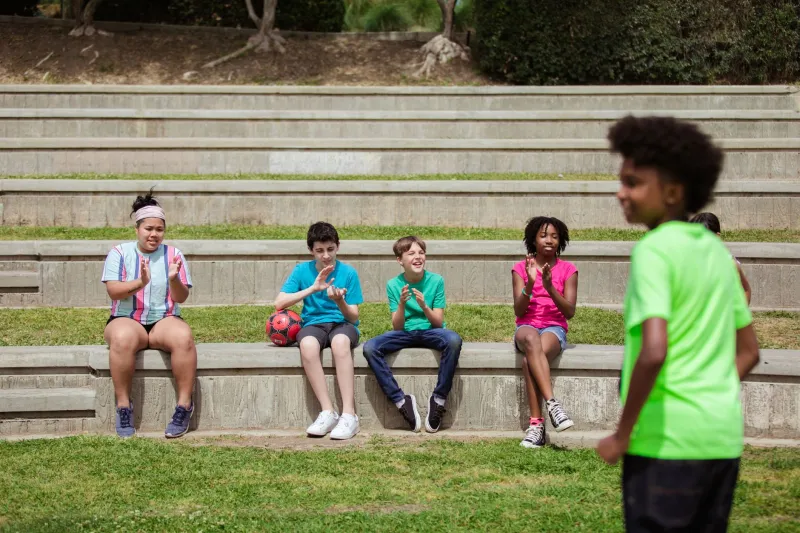
Let me paint you a picture. It's a Tuesday evening in the valley. The sun is dropping behind the ridge, and the air has that particular quality it gets in the fall — cool and clear, with just enough bite to make you glad you grabbed a hoodie. On the field, two adult amateur teams are locked in a 1-1 draw. On the sideline, their families and friends are talking, laughing, trading snacks with people they met exactly forty minutes ago.
Nothing about this is newsworthy. It happens dozens of times a week across L Valley. But zoom out, and something significant is going on here. In a moment in American life when loneliness is being called a public health crisis, when neighborhoods can feel more like collections of individual households than actual communities, these Tuesday night games are doing something that no app or social media platform has managed to replicate.
They're making people feel like they belong somewhere.
The Loneliness Problem and the Soccer Solution
The statistics on social isolation in the United States are genuinely sobering. Research in recent years has consistently shown that Americans report fewer close friendships, less time spent with neighbors, and greater feelings of disconnection than in previous generations. Younger adults have been hit particularly hard, but the trend cuts across age groups.
Sports leagues — especially local, community-based ones — have long served as a counterweight to this drift. There's something about shared physical effort, about showing up week after week to the same field with the same people, that builds bonds in ways that are hard to engineer artificially.
"There's a real science behind it," says Dr. Alicia Romero, a youth development specialist who has consulted with several valley-area programs. "Shared physical activity releases oxytocin, reduces cortisol, and creates what researchers call 'synchrony' — a sense of being in rhythm with other people. Team sports amplify that effect because you're not just exercising alongside someone, you're depending on them."
For L Valley's soccer community, that translates into something tangible. Players talk about their teams the way previous generations talked about their bowling leagues or neighborhood associations — as a fixed point in their social lives, a place where they know they'll see friendly faces.
Neighborhoods on the Field
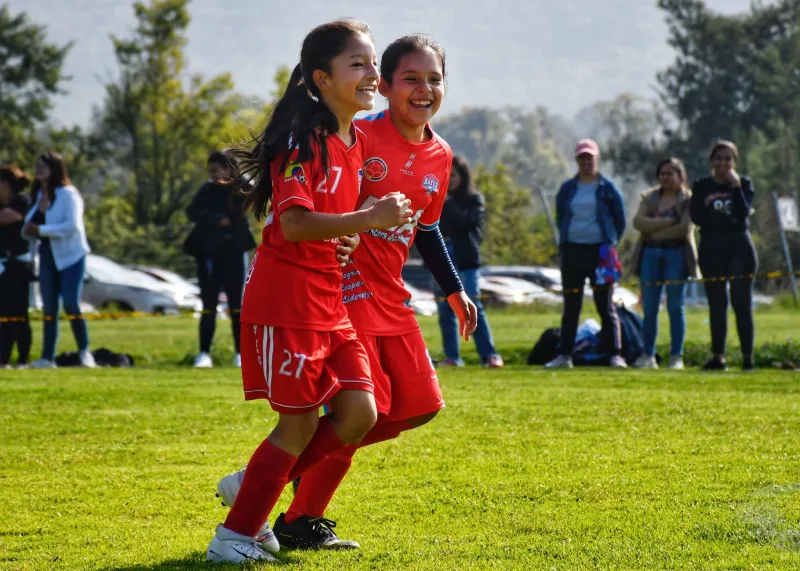
One of the underappreciated things about L Valley's league structure is how it naturally mixes people who might not otherwise cross paths. Teams are formed from the same geographic areas, which means a Saturday morning youth match might put together a kid whose family has lived in the valley for three generations alongside one who just moved here from across the country.
"My husband and I relocated here two years ago, and honestly, the soccer league was how we made friends," says Rachel Kim, whose daughter plays in the U-10 division. "You're standing on the sideline every weekend with the same group of parents. You can't help but get to know each other. Some of those people are now our closest friends here."
This kind of incidental community-building is hard to manufacture through official channels. You can create a neighborhood Facebook group, but you can't make people actually connect. The soccer field does that work organically, through repeated proximity and shared stakes.
Inclusion as a Core Value
L Valley Soccer has made a deliberate effort in recent years to ensure that its leagues are genuinely welcoming to players and families from all backgrounds. That means translation support at registration events, sliding-scale fees, and active outreach to communities that have historically been underrepresented in organized sports.
The results have been meaningful. League demographics have diversified noticeably over the past several seasons, and coordinators report that mixed-background teams tend to be among the most cohesive — perhaps because players can't rely on existing social networks and have to build new ones from scratch.
"Soccer is genuinely universal in a way that a lot of other sports aren't," notes coach Marcus Ibarra, who grew up playing in Central America before moving to the valley as a teenager. "Almost every culture in the world has a relationship with this game. When you put people on a field together, they already have something in common, even if they don't share a language yet."
The Mental Health Dimension
It would be incomplete to talk about community soccer's value without addressing the mental health benefits directly. For youth players, the research is clear: regular physical activity, team membership, and the experience of navigating wins and losses in a supportive environment all contribute to emotional resilience, reduced anxiety, and better self-esteem.
For adults, the benefits are equally real but perhaps less discussed. The informal therapy of a hard ninety-minute run, the stress relief of focusing completely on something as immediate as a ball and a goal, the mood lift of post-game camaraderie — these aren't trivial side effects. For many players, their weekly game is one of the most important mental health practices in their lives, even if they'd never describe it that way.
"I don't go to therapy," jokes longtime valley league player Dominic Reyes, 38. "I go to Tuesday night soccer. Same thing." He's laughing when he says it, but he also means it.
Why This Matters Right Now
It would be easy to dismiss community soccer as just a pleasant hobby — a nice thing, but not particularly important in the grand scheme of things. That framing misses the point.
In a valley that, like many American communities, is navigating rapid change — demographic shifts, economic pressures, the slow erosion of traditional gathering places — the soccer field is one of the few spaces left where people from different walks of life regularly show up for each other. Where kids learn that their teammates come in all kinds. Where adults remember what it feels like to be part of something bigger than their immediate household.
That's not nothing. That's actually everything.
L Valley Soccer isn't just a recreational program. It's infrastructure for community life. And the people who show up every week — the coaches, the parents, the players of all ages — are doing more than playing a game. They're keeping the valley connected, one match at a time.